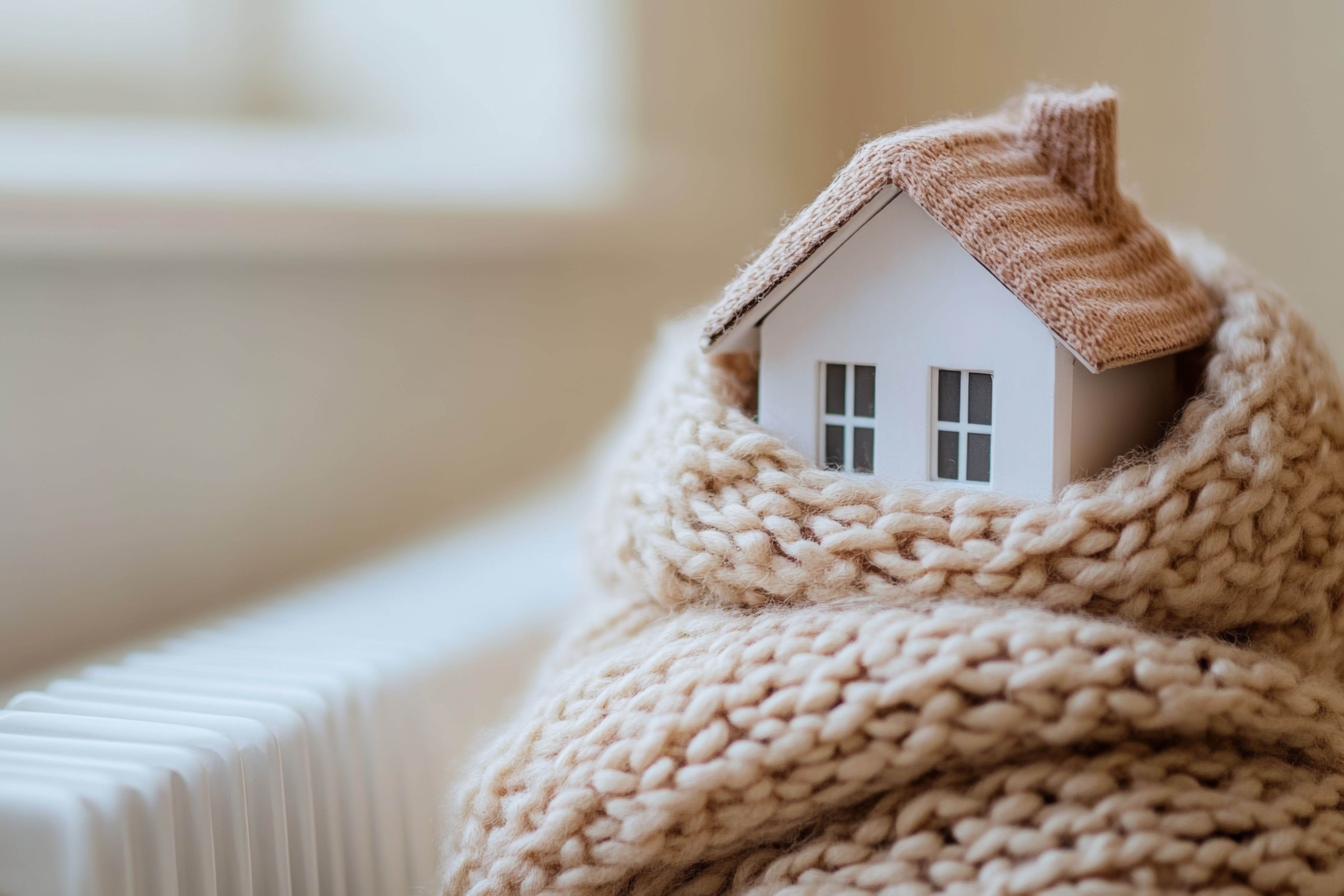
From checking your heating to protecting your property against cold and wet weather, a few simple jobs now could help you avoid unexpected repairs, keep energy bills under control and make your home more comfortable throughout the colder months.
Whether you've recently moved into a new property, have lived in your home for years or thinking of selling, here's our handy winter home maintenance checklist to help you get prepared.
1. Check your boiler and heating system
There's nothing worse than discovering your heating isn't working on the first really cold day of the year!
Before winter sets in, it's worth checking that your heating system is working as it should.
- Turn your heating on and check that all radiators warm up properly.
- Bleed radiators if you notice cold spots at the top.
- Check your boiler pressure against the manufacturer's recommendations.
- Consider booking a boiler service if one is due.
- Make sure your thermostat and heating controls are working correctly.
Having your boiler serviced annually by a Gas Safe registered engineer can help identify potential issues before they become bigger problems.
2. Clear your gutters and drains
Autumn leaves might look lovely, but they can quickly cause problems when they build up in gutters and drains.
Blocked gutters can cause rainwater to overflow, potentially leading to damp patches, damaged brickwork and water getting into your home.
Take some time to check for:
- Leaves and debris collecting in gutters.
- Blocked or overflowing downpipes.
- Loose or damaged guttering.
- Drains that aren't clearing properly.
If your gutters are difficult to access, it's safer to arrange for a professional to clear them.
3. Look for draughts around windows and doors
Even small gaps around your windows and doors can let cold air into your home, making your heating work harder than it needs to.
Walk around your property and check for draughts, particularly around older windows, external doors and letterboxes.
Simple improvements such as fitting draught excluders, replacing worn seals and using thick curtains can make rooms feel noticeably warmer.
You can also find useful advice on reducing heat loss and improving energy efficiency from the Energy Saving Trust.
4. Protect outdoor taps and pipes
When temperatures fall below freezing, water inside exposed pipes can freeze and expand, potentially causing pipes to burst.
A few precautions can help reduce the risk:
- Insulate exposed pipes in garages, lofts and other unheated areas.
- Fit an insulated cover to outdoor taps.
- Disconnect and drain garden hoses.
- Check that you know where your main stopcock is located.
- Keep your home adequately heated during particularly cold spells.
It's also worth checking any pipework in areas you don't use regularly, such as utility rooms or outbuildings.
5. Check your roof for damage
Your roof works hard throughout the winter, protecting your home from heavy rain, strong winds and freezing temperatures.
Before the weather turns, take a look from ground level for any obvious signs of damage, including slipped or missing tiles, damaged flashing or loose guttering.
It's also worth checking your loft for signs of water getting in, particularly after heavy rainfall.
If you spot anything concerning, arrange for a qualified roofer to inspect it rather than attempting to climb onto the roof yourself.
6. Keep an eye out for damp and condensation
As we spend more time indoors with windows closed and heating switched on, condensation can become more noticeable.
You might see moisture collecting on windows, damp patches forming in corners or even mould developing in poorly ventilated rooms.
To help prevent problems:
- Use extractor fans when cooking or showering.
- Keep trickle vents open where fitted.
- Avoid drying clothes directly on radiators.
- Leave some space between furniture and external walls.
- Wipe away condensation and investigate recurring damp patches.
Remember, not all damp is caused by condensation. If you notice persistent patches, peeling wallpaper or a musty smell, it's worth investigating the underlying cause.
7. Prepare your garden and outdoor spaces
Your garden might not get quite as much use during winter, but it's still worth making sure everything is secure before strong winds and heavy rain arrive.
Store or secure lightweight garden furniture, check fencing and gates for loose panels, and clear fallen leaves from pathways to reduce slipping hazards.
If you have trees close to your property, look out for damaged or unstable branches and seek professional advice where necessary.
And don't forget your outdoor lighting! With darker evenings approaching, working lights around entrances and pathways can make getting home much easier.
8. Test your smoke and carbon monoxide alarms
Winter often means greater use of heating appliances, fireplaces and log burners, making it particularly important to check your home's safety equipment.
Test your smoke and carbon monoxide alarms in line with the manufacturer's instructions, and replace batteries or alarms where necessary.
If you have a chimney or wood-burning stove, arrange appropriate sweeping and maintenance before using it regularly.
You can find further home fire safety advice from the National Fire Chiefs Council.
9. Check your home insurance
It's easy to overlook your home insurance until you actually need it.
Before winter, take a few minutes to check that your policy is up to date and understand what it covers, particularly for storm damage, flooding, burst pipes and accidental damage.
If you're planning to leave your property empty for an extended period over Christmas or during the winter months, check whether your insurer has any specific requirements.
10. Thinking about selling? Winter preparation matters too!
If you're considering putting your property on the market, preparing your home for winter isn't just about maintenance. It's also about making a great first impression.
A warm, well-maintained home can feel particularly inviting during autumn and winter viewings.
Small details such as clean windows, tidy outdoor spaces, good lighting and comfortable room temperatures can all help buyers picture themselves living there.
And there's no need to wait until spring to start thinking about your next move.
At DB Roberts, we help homeowners across Telford, Shrewsbury, Stafford, Wolverhampton and the surrounding areas understand their property's value and prepare for the market.
Whether you're ready to sell now or simply exploring your options for the months ahead, our local teams are here to help.
Could a move be on your horizon?
Winter is a great time to start planning your next move, if you're wondering what your home could be worth in today's market, why not start with a free valuation?
You can get an instant online valuation or book an in-person valuation for a more detailed, personalised assessment of your property, where our local experts can also talk you through how we would market your property to attract the right buyers.
Your next move could be closer than you think!
Need help? Speak with a member of our team
Speak with one of our advisors today for a personal touch.
Contact Us